Dietitian vs Nutritionist: Understand the Difference and Elevate Your Wellness Brand
As buyers become more health-conscious, they are also becoming more selective about which information they trust. Because of this, having credible nutrition expertise matters more than ever for both individuals seeking advice and brands communicating health benefits to consumers. One common question is what a dietitian is and how they differ from a nutritionist. While the terms are often used interchangeably, the distinction between dietitian and nutritionist is significant—particularly in education, clinical training, and professional regulation. Understanding registered dietitian credentials helps consumers find reliable nutrition experts and allows wellness brands to build credibility through evidence-based communication.
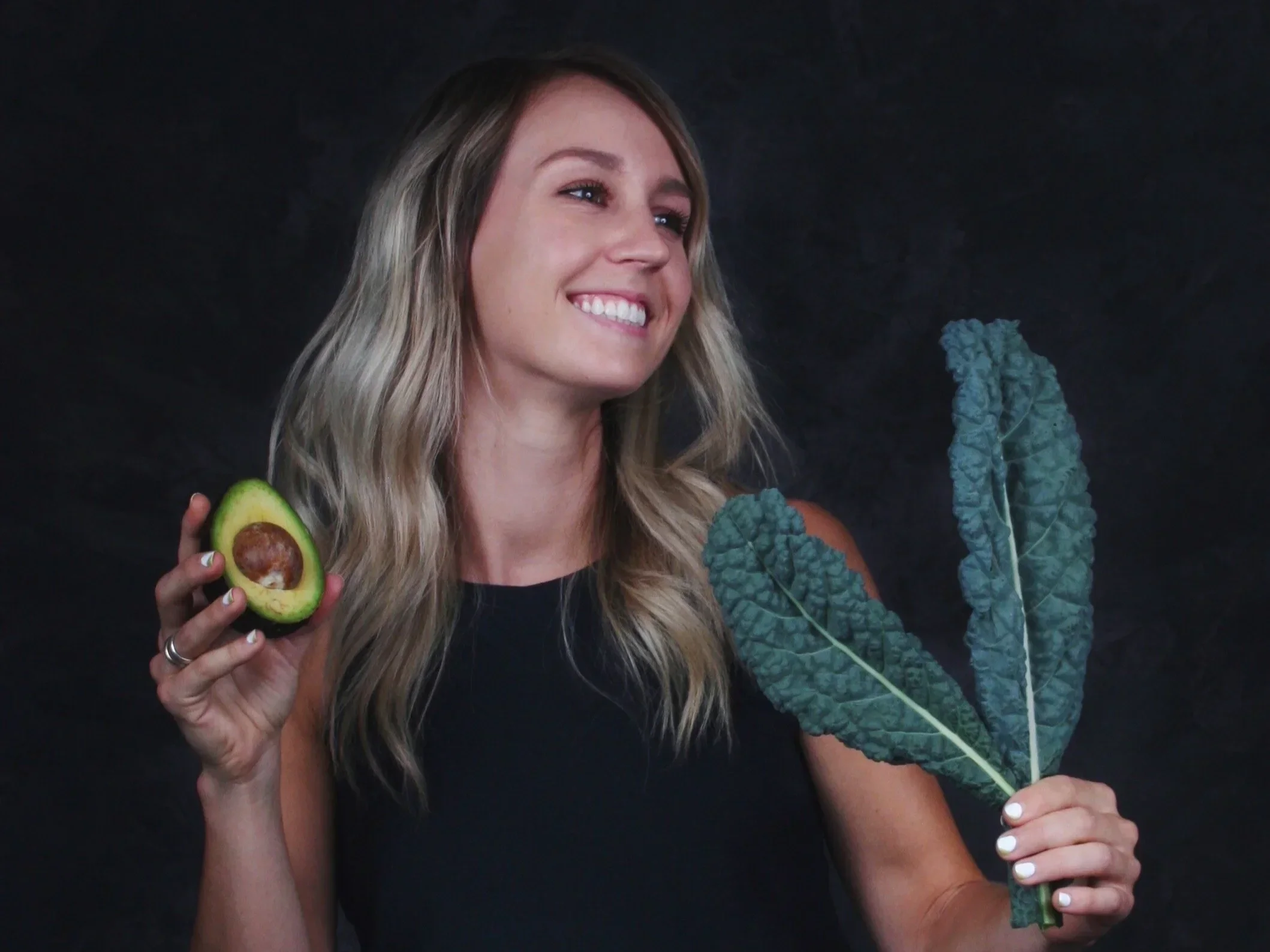
Haley Bishoff, RDN, LD holding vegetables
What Is a Dietitian? How Registered Dietitians Differ From Nutritionists
When people search for reliable nutrition guidance, a common question is what a dietitian is and how they are different from a nutritionist. While the terms are often used interchangeably online, the distinction between dietitian and nutritionist is important, particularly regarding education, clinical training, and professional regulation.
A Registered Dietitian (RD or RDN) is a credentialed healthcare professional who has completed intensive academic and clinical requirements. Registered dietitian credentials require a science degree, over 1,000 hours of supervised clinical training, a national board examination, continuing education, and state licensure in most states.
In contrast, the title nutritionist is not regulated in most states. Although some nutritionists have advanced degrees or specialized training, the title does not guarantee standardized education, clinical experience, or licensing. Understanding this distinction is critical for those seeking credible nutrition advice and for wellness brands aiming to build trust through evidence-based expertise.
Why Evidence-Based Marketing Is the Future of Wellness Brands.
As the wellness industry grows, so does consumer demand for credible health information. Shoppers today are better educated and increasingly skeptical of vague product claims, making evidence-based marketing an important strategy for wellness brands. Instead of relying on trend-driven messaging, companies are beginning to emphasize scientific research, transparent ingredient information, and professional advice.
Research supports this shift. According to the International Food Information Council (IFIC), healthcare professionals and scientists are among the most trusted sources of nutrition information for consumers. Similarly, a 2025 Nielsen Global Health and Wellness survey found that consumers worldwide are more skeptical of health claims made by food companies (62%) and want more transparency in product labels (82%), indicating that a majority prefer products with clear, science-backed health benefits and transparent labeling. These findings show a growing expectation that wellness brands support their claims with credible expertise.
As a result, many companies are engaging registered dietitians and other qualified experts to translate nutrition science into clear, responsible messaging. By combining scientific evidence with accessible education, brands can build long-term consumer trust and ensure their marketing is accurate and compliant.
Recipe development
Dietitians can create recipes that demonstrate how products fit into balanced diets, providing useful content for blogs, social media, and brand education.
Expert endorsements for press releases
Quotes or opinions from a registered dietitian add authority and credibility to product launches and media announcements.
Satellite media tours and professional interviews
Dietitians can join TV segments, podcasts, and media interviews to explain nutrition science and highlight how products support healthy lifestyles.
By incorporating dietitians into marketing initiatives, functional food and wellness brands can strengthen credibility and deliver education, transparency, and science-backed messaging to consumers.
How RD Media Partners Connects Brands With Trusted Dietitian Experts
As consumers seek credible health information, brands are turning to qualified experts to support their messaging. RD Media Partners connects wellness and functional food brands with registered dietitians who bring scientific credibility to modern marketing.
Unlike traditional influencer marketing, RD Media Partners works with credentialed nutrition professionals who translate nutrition science into clear, responsible communication. Our dietitians help brands explain product benefits in engaging, transparent, and science-based ways through a full suite of marketing services.
As wellness marketing evolves, strategies grounded in credible expertise and evidence-based messaging are becoming the standard, and RD Media Partners is helping to lead this shift.
About the Author: Haley Bishoff, RD
Haley Bishoff, RD, is a Registered Dietitian specializing in plant-based and functional nutrition. Through her work with Rūtsu Nutrition, she helps individuals build sustainable, evidence-based nutrition habits that support long-term health and disease prevention. Her approach blends clinical nutrition expertise with the Japanese philosophy of Kaizen, emphasizing small, consistent improvements that lead to lasting wellness.
https://www.rutsunutrition.com/about
Contributing Writer: Joshua Cobian
Joshua Cobian is an entrepreneur and marketing strategist specializing in fintech, ecommerce, and high-growth consumer brand ecosystems. He has helped build national sales channels behind multiple eight- and nine-figure company exits and focuses on media strategies that connect wellness brands with credible experts.

Dietitian Reviewing A Clean Eating Meal Planner With Client
Frequently Asked Questions
What is the difference between a dietitian and a nutritionist?
The primary differences between a dietitian and a nutritionist lie in regulation and clinical training. A registered dietitian (RD or RDN) must complete accredited education, supervised clinical training, and pass a national board examination. In contrast, the title nutritionist is not regulated in most states, meaning education and experience requirements can vary widely.
What are a registered dietitian's credentials?
Registered dietitian credentials typically require a bachelor’s or master’s degree in nutrition or dietetics, more than 1,000 hours of supervised clinical training, and passing a national board examination administered by the Commission on Dietetic Registration. Dietitians must also complete continuing education and maintain licensure in many states.
Why do wellness brands work with registered dietitians?
Wellness brands often collaborate with registered dietitians to ensure their marketing and product messaging are grounded in credible nutrition science. Dietitians can help translate research into clear consumer education, support responsible health claims, and strengthen trust between brands and consumers.
What is dietitian-backed marketing?
Dietitian-backed marketing involves partnering with credentialed nutrition experts to support product education, media outreach, and evidence-based messaging. For wellness brands, this approach helps build credibility while ensuring that health claims are communicated responsibly.
Where do brands find dietitians for marketing partnerships?
Specialized agencies like RD Media Partners connect wellness brands with registered dietitians who can support marketing initiatives, media outreach, and science-based product education.