What Brands Get Wrong When They Try to Market Health Foods (And How a Dietitian Can Fix It)
Many health food brands make common marketing mistakes that erode consumer trust. Below are frequent pitfalls and how partnering with a registered dietitian can resolve them.
The health food market is highly competitive, with new brands and improved packaging launching each week. However, many brands struggle to connect with health-conscious consumers for similar reasons.
Many brands prioritize promotion over building consumer trust.
Here are the most common mistakes and how successful brands address them.
Mistake #1: Leading with claims the consumer can't verify
Phrases such as "Boosts immunity" or "Supports gut health" are common, but consumers have learned to ignore them. Years of overpromising have made health-conscious shoppers skeptical. Bold claims without credible support now raise concerns rather than build trust.
How a Dietitian Fixes This:
A registered dietitian communicates your product’s benefits clearly and bases messaging on evidence.
Instead of making broad claims, a dietitian will:
Explain why an ingredient matters.
Clarify who will benefit
Ground messaging in science
This shift from vague claims to clear communication builds trust and ultimately drives conversion.
Mistake #2: Using influencers as a substitute for expertise
Influencer marketing can be effective, but in health and nutrition, follower count does not equal expertise. Consumers increasingly recognize this. While influencers raise awareness, most people prefer guidance from qualified professionals when making health decisions.
How a Dietitian Fixes This
Registered dietitians are highly credentialed nutrition professionals. Registered Dietitians have:
Accredited degrees
Supervised clinical training
National licensure
Ongoing continuing education
When a registered dietitian endorses your product, it conveys authority, legitimacy, and trust.
The most effective approach is to combine influencers and experts rather than choosing one over the other:
Influencers drive awareness
Dietitians provide validation for the message.
Mistake #3: Ignoring FTC and FDA health claim rules until it's too late
This mistake can be costly. Regulations on food and supplement claims are complex, and the FTC is increasing enforcement. Brands relying on unsubstantiated claims often do not recognize their risk until they receive a warning letter or face more serious consequences.
How a Dietitian Fixes This
Dietitians operate within evidence-based and regulatory frameworks.
When engaged early, dietitians can:
Review claims before publication.
Ensure messaging aligns with guidelines.
Reduce compliance risk
This support extends beyond marketing; it includes brand protection.
Mistake #4: Creating content that talks about nutrition without a nutrition expert involved
Many brands generate large volumes of educational content, but this content is often:
Generic
Trend-driven
Lacking depth
This leads to two key issues:
It does not distinguish your brand.
It performs poorly in search results.
Google holds health content to a higher standard under YMYL (Your Money or Your Life). If your content lacks expertise, authority, and trust, it will not rank well.
How a Registered Dietitian Addresses This
Content created or reviewed by a registered dietitian is:
More specific
More accurate
More credible
Importantly, it also aligns with Google’s:
E-E-A-T (Experience, Expertise, Authority, Trust)
This results in improvements to:
Organic rankings, Time on page, & Conversion intent
Here’s a link to googles, blog documentation
Mistake #5: Missing the media opportunity entirely
Health and wellness journalists consistently seek credentialed expert sources. Major publications such as Women's Health, Healthline, and the Today Show regularly feature registered dietitians for commentary on food trends, research, and product categories. Brands without an RD miss these media opportunities.
How a Dietitian Fixes This
Partnering with a dietitian creates:
Media-ready expert commentary
Quote opportunities
Brand visibility through trusted channels
This positions your brand inside the conversation, not outside of it.
To Summerize:
Health food marketing doesn’t fail because the product isn’t good. It fails when consumers don’t have a reason to trust it.
A registered dietitian partnership doesn’t just improve messaging; it transforms how your brand is perceived.
How RD Media Partner Can Help?
At RD Media Partners, we connect food and wellness brands with registered dietitians to create impactful content and partnerships.
This includes:
Developing evidence-based content
Strengthen brand credibility
Improve SEO performance
Unlock media opportunities
If your brand is ready for a smarter marketing approach, we invite you to contact us.
Learn how an RD partnership can benefit your brand.
About the Author: Haley Bishoff, RD
Haley Bishoff, RD, is a Registered Dietitian specializing in plant-based and functional nutrition. Through her work with Rūtsu Nutrition, she helps individuals build sustainable, evidence-based nutrition habits that support long-term health and disease prevention. Her approach blends clinical nutrition expertise with the Japanese philosophy of Kaizen, emphasizing small, consistent improvements that lead to lasting wellness.
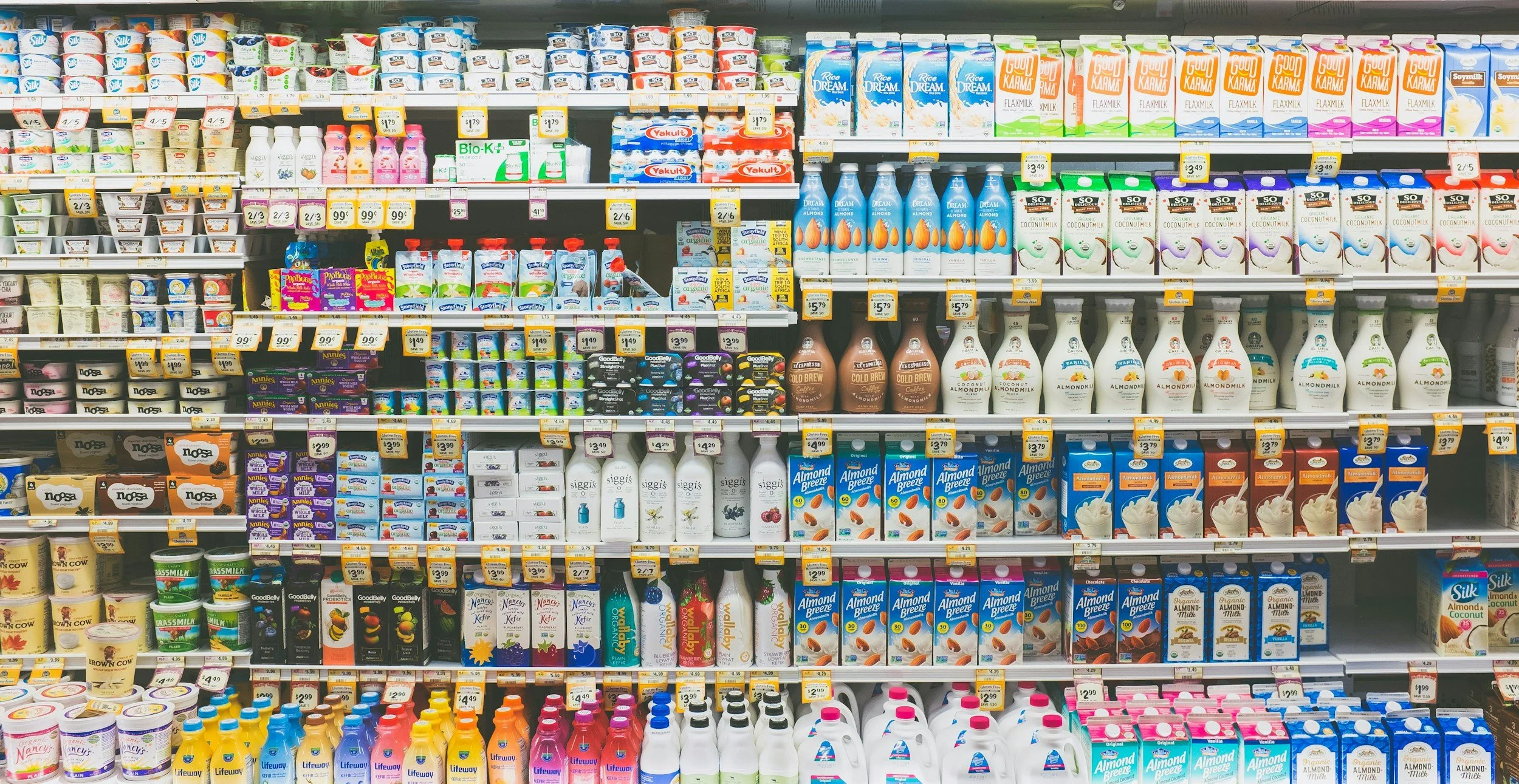
Health Food Products on Grocery Store Shelves
A crowded retail landscape highlights the importance of trust and differentiation in health food marketing
Frequently Asked Questions
1. Why is trust important in health food marketing?
Trust is critical because health-conscious consumers are highly skeptical of vague or exaggerated claims. With so many brands making similar promises, consumers look for credible, evidence-based information before making purchasing decisions. Brands that prioritize transparency and scientific accuracy consistently outperform those that rely on marketing hype.
2. What is YMYL, and how does it impact health food brands?
YMYL stands for “Your Money or Your Life,” a classification used by Google for content that can impact a person’s health, safety, or financial well-being. Health and nutrition content falls under this category, meaning it is held to a higher standard of expertise, authority, and trustworthiness. Brands that fail to meet these standards often struggle to rank in search results.
3. How can a registered dietitian improve marketing performance?
A registered dietitian improves marketing by ensuring content is accurate, evidence-based, and clearly communicated. This increases consumer trust, strengthens brand credibility, and improves SEO performance. Dietitians also help translate complex nutrition science into messaging that resonates with the target audience.
4. Are influencers still effective for health food brands?
Influencers can be effective for building awareness, but they should not replace expert credibility. Consumers increasingly prefer guidance from qualified professionals when making health decisions. The most effective strategy combines influencer reach with registered dietitian validation to deliver both visibility and trust.
5. Do registered dietitians help with compliance and regulations?
Yes. Registered dietitians understand nutrition science and are trained to communicate within regulatory frameworks. They can help brands avoid misleading claims, align messaging with FTC and FDA guidelines, and reduce the risk of warnings or penalties. Involving a dietitian early in the content process supports both compliance and long-term brand stability.
6. Does expert-written nutrition content help SEO?
Yes. Expert-written or expert-reviewed nutrition content is generally more specific, accurate, and useful, which can improve topical authority and help a site compete more effectively for health-related search terms.
7. What kind of content should health food brands publish on their blogs?
Health food brands should publish ingredient explainers, product comparisons, nutrition education, recipe content, FAQs, use-case articles, and myth-vs-fact content. The strongest blog strategies are grounded in consumer questions and reviewed by a qualified expert.
8. Why does Google expect more from health-related content?
Health-related content has a higher standard because inaccurate information can affect people’s decisions and well-being. That means brands need stronger signals of expertise, authority, and trust in both their content and authorship.
9. What are the biggest health food marketing mistakes brands make?
The biggest mistakes include using claims consumers cannot verify, relying too heavily on influencers, ignoring compliance risk, publishing nutrition content without expert review, and missing opportunities to build authority through credentialed voices like registered dietitians.
10. What is a registered dietitian brand partnership, and why does it matter?
A registered dietitian brand partnership is when a food or wellness brand works with an RD to strengthen content, credibility, education, and public positioning. It matters because consumers trust qualified experts more than generic marketing language, especially in health-related categories.